Texas street legality check
Updated July 2026 · Texas e-bike, OHV, motorcycle, and buyer-risk guidance
Is E Ride Pro street legal in Texas? Not as a normal Texas e-bike.
The E Ride Pro SS has the clearest mismatch in this batch. Its own performance specs move it far outside the Texas e-bike box before you even get into local roads, bike lanes, sidewalks, parks, or police stops.
Bike specs that matter
The legality question starts with the numbers, not the nickname.
Texas does not decide this based on whether a seller, rider, or comment section calls something an e-bike. The practical test is whether the exact machine fits the state’s electric-bicycle framework or whether it belongs in an off-road, motorcycle, moped, or private-property lane.
| Spec | E Ride Pro SS |
|---|---|
| Motor / power | Pro SS 2.0 is listed at 5 kW rated / 12 kW peak; Pro SS 3.0 is listed at 6 kW rated / 15.8 kW peak. |
| Top speed | VoroMotors currently lists 20 mph out of the box for the SS 3.0, but also lists a 6kW rated / 15.8kW peak motor, which is far outside the Texas e-bike motor threshold. |
| Pedals | Electric dirt bike layout, not a conventional pedal bicycle. |
| Texas e-bike fit | Very poor fit for the normal e-bike lane. |
Texas e-bike test
How E Ride Pro compares with the Texas electric-bicycle lane.
Texas’s e-bike framework is meant for bicycles with fully operable pedals, a motor below the statutory threshold, and class-limited assistance. Once a bike moves beyond that framework, public-road use becomes a motor-vehicle paperwork question instead of a bike-path question.
| Requirement | Texas rule | How this model compares | Practical verdict |
|---|---|---|---|
| Fully operable pedals | Texas starts with a bicycle equipped with fully operable pedals. | Most e-moto layouts are not sold as conventional pedal bicycles; aftermarket pedals do not settle the whole issue. | Problem area |
| Motor under 750 watts | Texas uses a motor threshold below 750 watts in the electric bicycle definition. | E Ride Pro SS specs are far above 750 watts. | Does not fit e-bike lane |
| Speed/class behavior | Class 1/2 assistance is tied to 20 mph; Class 3 pedal assist reaches 28 mph. | E Ride Pro SS motor output and vehicle design are well outside a normal Texas e-bike analysis, even before local road access is considered. | High mismatch |
| Best Texas use case | Match the vehicle category to the route before riding. | Private property, approved off-road riding, or a verified motor-vehicle path is the safer starting point. | Verify before riding |
Where it can make sense
E Ride Pro SS can still be a fun machine when you use the right lane.
This is not a “never buy one” page. It is a “buy it for the right category” page. Texas has private land, off-road venues, rural riding interest, and serious e-moto demand. The mistake is treating every powerful electric two-wheeler like a standard commuter e-bike.
Best fit
Private property with permission
The cleanest starting point is riding where the owner allows it and where local rules, safety, noise, charging, and storage all make sense.
Possible fit
Approved OHV/off-road venues
Texas public OHV venues can require an OHV decal and location-specific rules. Always check the venue before arriving.
Highest risk
Public streets and bike lanes
If the bike is not a qualifying e-bike or a properly registered road vehicle, public street use is the high-risk lane.
Interactive Texas check
Which Texas lane fits your plan?
Use this quick checker before riding or buying. It is not legal advice, but it points out the issues that usually matter: bike category, route, and paperwork.
License, registration, and insurance
What Texas paperwork questions should you ask before riding?
If the bike is not a qualifying Texas e-bike, the next question is not “does it have a light?” The next question is whether the exact machine can fit a lawful road category. That can involve a VIN, title/MSO, inspection, plate, insurance, a Class M license, and the route you plan to use.
Road registration
Can Texas title and register the exact bike?
Do not assume an off-road e-moto can be plated. Start with the VIN, MSO/title, manufacturer classification, and TxDMV requirements.
License
Would a Class M license be required?
If the machine is treated as a motorcycle, Texas motorcycle licensing becomes part of the road-use plan.
Insurance
Can the exact VIN be insured?
Insurance matters if the bike enters a motor-vehicle lane. Ask about the exact model and VIN, not a generic “electric bike.”
Smarter buy path
Turn the legal answer into a better shopping decision.
Because this page has direct buyer intent, I moved the main shopping path to the E Ride Pro SS 3.0 listing and kept the legal framing clear: this is an electric dirt bike / e-moto purchase first, not a normal Texas bike-lane e-bike purchase.

Direct high-performance option
E Ride Pro SS 3.0
VoroMotors lists the SS 3.0 with a 72V 50Ah battery, 6kW rated / 15.8kW peak motor, twist throttle, and off-road-focused positioning. Treat it as a serious e-moto purchase.
- Use the official product specs as the starting point.
- Verify Texas road, OHV, path, and local-access rules before riding.
- Do not assume modified settings stay within a legal lane.
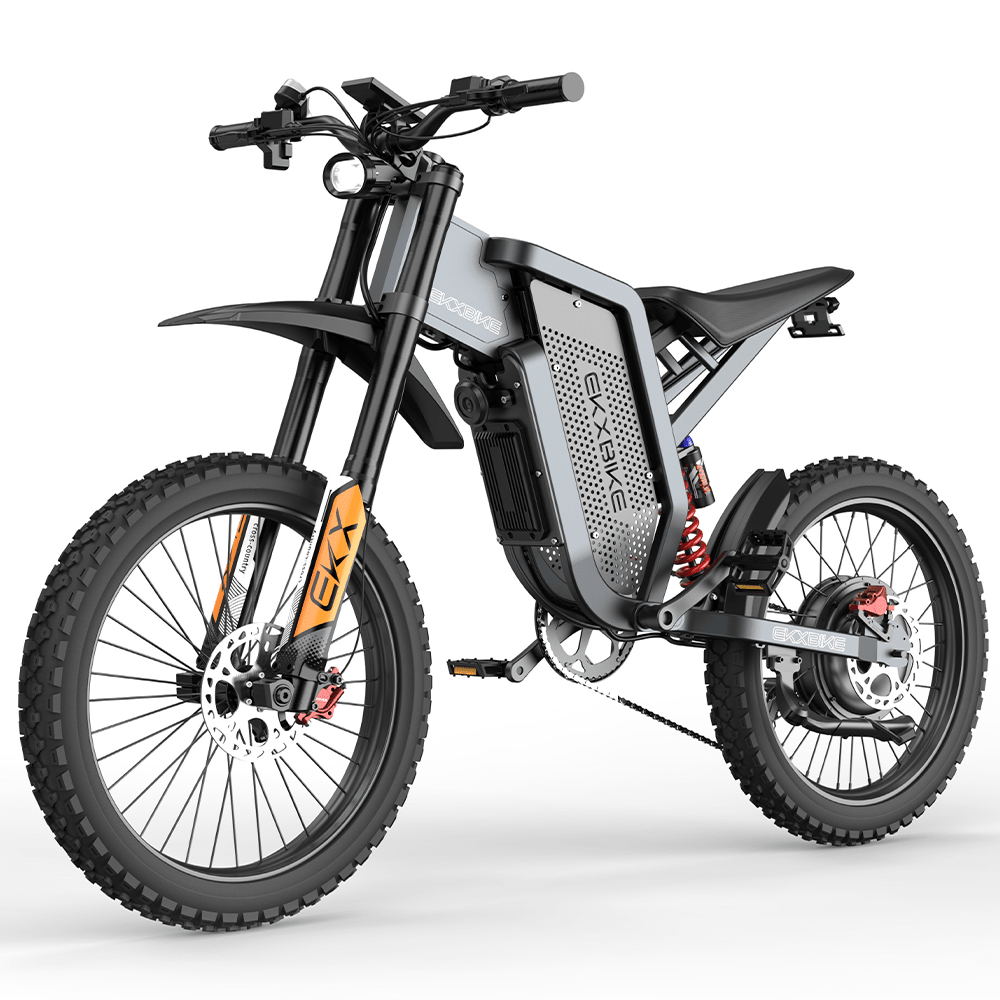
Performance comparison
EKX X21 Max
A Sur-Ron-style comparison pick for riders who want high-output electric dirt-bike performance and already understand the road-legality tradeoff.
- Use the official product specs as the starting point.
- Verify Texas road, OHV, path, and local-access rules before riding.
- Do not assume modified settings stay within a legal lane.
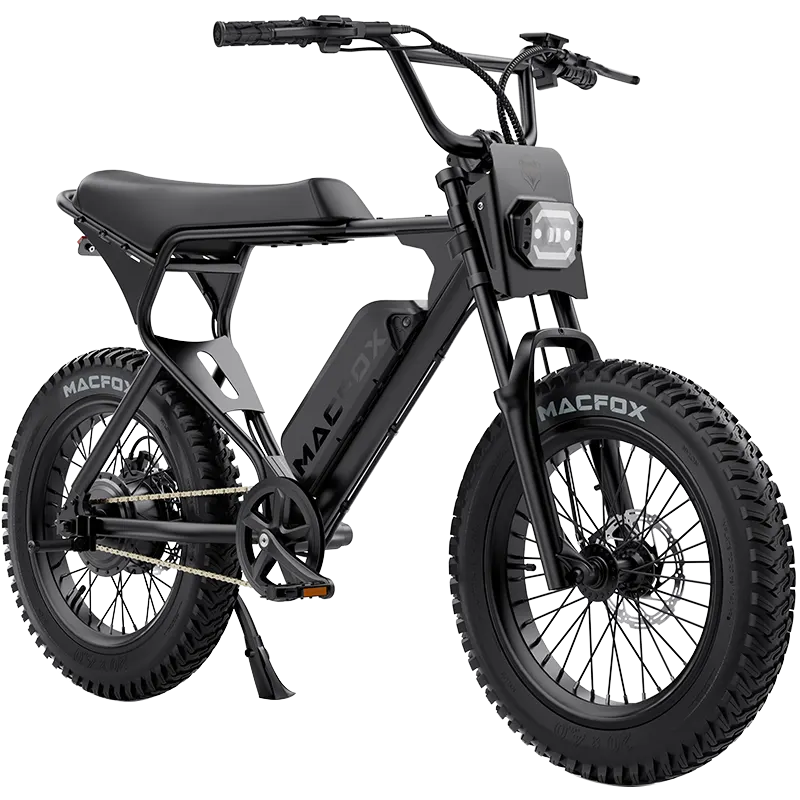
Lower-drama street style
Macfox X1S
A more modest moto-inspired option for riders who like the look but want a closer factory e-bike conversation for casual riding where permitted.
- Use the official product specs as the starting point.
- Verify Texas road, OHV, path, and local-access rules before riding.
- Do not assume modified settings stay within a legal lane.
Trying to decide what is actually realistic?
Use the affordability calculator to compare the buy date for each option, including a practical safety-gear and tax buffer.
Texas route rules
Street, bike lane, sidewalk, trail, campus, and park risk are not the same.
Public streets
Highest question load
Road use is where registration, license, insurance, equipment, and vehicle category all matter most.
Bike lanes and shared paths
For bicycles and qualifying e-bikes
A high-powered e-moto should not be treated like normal bike infrastructure unless the exact machine truly qualifies.
Parks and campuses
Local rules can be stricter
Universities, cities, parks, beaches, and private communities can enforce access rules that go beyond the basic state definition.
Private property
Cleanest starting point
Owner permission removes many public-road issues, though safety, charging, storage, and insurance still matter.
OHV venues
Check TPWD and venue rules
Texas OHV public-land venues can require decals and site-specific rules for off-road vehicles.
Modded bikes
Unlocked settings change the conversation
A bike that might be manageable in a compliant mode can become a completely different legal problem after speed or power changes.
Stay updated
Want Texas e-moto and street-legality updates?
Get practical RideStreetLegal updates when Texas pages, e-moto legality guides, price drops, and street-friendly picks are added.
Send me Texas e-bike and e-moto updates.
No spam. Just Texas legality updates, buyer guides, and practical bike-shopping notes. Unsubscribe anytime.
FAQ
E Ride Pro Texas street-legality questions.
Is E Ride Pro street legal in Texas?
An E Ride Pro SS generally should not be treated as a Texas electric bicycle. Texas e-bike law is built around fully operable pedals, an electric motor under 750 watts, and class-limited assistance. E Ride Pro lists Pro SS models with motorcycle-level performance, so the Texas discussion is usually off-road use, motorcycle-style paperwork, or private-property riding.
Can I ride E Ride Pro in a Texas bike lane?
Only if the exact bike is a qualifying Texas electric bicycle and the location allows it. High-powered e-motos should not be treated like ordinary bike-lane commuters.
Does E Ride Pro need a license in Texas?
A compliant Texas e-bike is a different category from a motorcycle. If the machine is treated as a motorcycle or motor-driven cycle, Class M licensing and motor-vehicle rules may become part of the discussion.
Can I register E Ride Pro for the road in Texas?
That depends on the exact VIN, title/MSO, equipment, inspection, insurance, and Texas registration eligibility. Do not assume an off-road e-moto can be plated.
What is the safer alternative for Texas commuting?
A clearly classed e-bike with pedals, route-appropriate speed settings, and published e-bike compliance is usually lower drama for daily Texas roads and paths.
Buying note: This version now sends high-intent E Ride Pro buyers to the VoroMotors E Ride Pro SS 3.0 page, while keeping the legal answer clear: this is not a normal Texas e-bike lane.
Official and product references
Sources used for this Texas guide.
- Texas Transportation Code Chapter 664 — electric bicycle definitions and class rules
- Texas Parks & Wildlife — Off-Highway Vehicle Program
- Texas DPS — Motorcycle License
- TxDMV — Register Your Vehicle
- E Ride Pro SS 3.0 official specs
- E Ride Pro SS 2.0 official specs
- See E Ride Pro SS 3.0
- Ride1Up Revv1 product page
- Macfox X1S product page